

Alternatives to Generic Supermarket Supplements
Table of Contents
- Why Generic Supermarket Supplements Often Fall Short
- Supermarket Vitamins vs Branded Supplements: What Sets Them Apart
- How to Choose a Supplement Brand That Meets Your Standards
- UK-Manufactured Food Supplements: Quality You Can Trust
- Finding Affordable Multivitamin Alternatives Without Compromising Quality
- Red Flags to Avoid When Switching from Supermarket Brands
- Making the Switch: What to Expect When You Upgrade Your Supplements
- Frequently Asked Questions
Last Updated: October 20, 2026
Why Generic Supermarket Supplements Often Fall Short
The supplement aisle at your local supermarket looks impressive. Rows of familiar brands, competitive prices, and promises of better health. But here's what most people don't realise: supermarket supplements are often formulated to a price point, not a performance standard.
Generic supermarket brands prioritise shelf stability and cost efficiency. This means cheaper raw materials, minimal quality testing beyond legal minimums, and formulations designed to move units rather than deliver results. The difference between a budget vitamin and a premium alternative isn't always visible on the label, it's in the sourcing, the testing protocols, and the manufacturing standards behind it.
When you're shopping for daily wellness support, the stakes matter. You're taking these products consistently, trusting them to support your health over months and years. A poorly formulated supplement won't harm you, but it won't help you either. It's just an expensive placebo sitting in your medicine cabinet.
This is where alternatives to supermarket supplements become worth exploring. Not because they're always more expensive, some premium brands cost less than you'd expect, but because they're built on different principles. Traceability. Rigorous testing. Compliance that goes beyond the minimum legal requirement.
Supermarket Vitamins vs Branded Supplements: What Sets Them Apart
The core difference between supermarket vitamins and branded supplements comes down to quality control and ingredient sourcing. Supermarket brands operate on volume. Branded alternatives operate on reputation.
Supermarket vitamins often use the cheapest compliant ingredients available. They meet UK and EU regulations, but regulations set a floor, not a ceiling. A branded supplement manufacturer, by contrast, typically sources from verified suppliers with documented quality histories. They test each batch. They track where every raw material comes from.
Consider labelling accuracy. Supermarket supplements must list ingredients, but the precision varies widely. A branded supplement from a reputable manufacturer will show exact quantities, batch numbers, and manufacturing dates. You can trace your specific bottle back to its production run. This transparency matters when you're making health decisions.
The manufacturing environment differs significantly as well. Supermarket supplements may be produced in facilities that also handle allergens or use older equipment. Premium manufacturers often invest in modern facilities with stricter contamination controls and environmental monitoring. This isn't marketing, it's measurable infrastructure.
Bioavailability and formulation quality separate the two categories further. A cheap multivitamin might use basic mineral forms that your body struggles to absorb. A better-formulated alternative uses chelated minerals or more bioavailable forms, meaning your body actually uses what you're taking.
The real test: ask a supermarket brand for their third-party testing results or batch traceability. Most won't have them readily available. Ask a quality-focused manufacturer the same question, and you'll get detailed documentation. That difference reflects their entire approach to business.
How to Choose a Supplement Brand That Meets Your Standards
Start by identifying what matters most to you. Are you concerned about heavy metal contamination? Do you need certified vegan or allergen-free options? Are you looking for UK-manufactured products specifically? Your priorities shape which brands deserve your consideration.
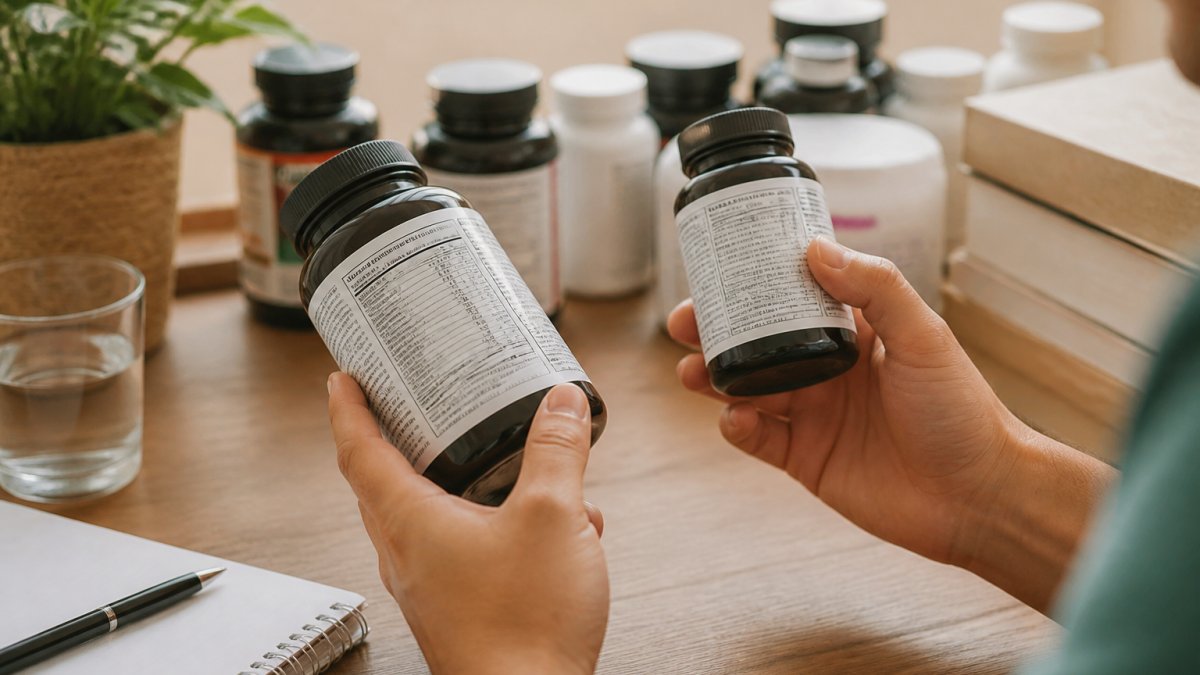
Check for third-party testing. Reputable supplement brands publish test results from independent labs. This isn't standard practice, it's a mark of confidence. If a brand won't show you their testing data, that's a red flag.
Verify manufacturing standards. Look for brands that clearly state where their supplements are made and under what conditions. UK-manufactured food supplements offer particular reassurance because they're subject to stringent UK and EU regulations.
Read independent reviews carefully. Customer testimonials matter, but they're subjective. Look for patterns. If dozens of customers report noticeable results within a specific timeframe, that's more meaningful than isolated praise.
Ask about batch traceability. A quality brand should be able to tell you exactly where each ingredient in your bottle came from. This level of detail requires sophisticated supply chain management, which most supermarket brands simply don't maintain. It's also the best insurance against contamination or ingredient substitution.
Check the ingredient forms. Not all vitamin D is created equal. Not all magnesium absorbs the same way. A brand that uses premium ingredient forms, chelated minerals, bioavailable vitamin forms, quality extracts, is making deliberate choices to improve efficacy.
UK-Manufactured Food Supplements: Quality You Can Trust
UK-manufactured food supplements represent a specific standard of quality and accountability. When a supplement is made in the UK, it's subject to the Food Standards Agency regulations and must comply with UK and EU food supplement legislation. This creates a clear chain of responsibility.
Manufacturing in the UK means something practical: if there's an issue, there's a direct regulatory path to resolution. The manufacturer can't hide behind offshore operations or claim regulatory gaps. They're accountable to the same authorities that oversee food safety across the country.
The advantage extends to ingredient sourcing. UK manufacturers typically work with established suppliers who have documented quality histories. They're not sourcing from anonymous global suppliers where quality can vary batch to batch. This consistency matters when you're taking a supplement daily.
Batch traceability becomes far more straightforward with UK manufacturing. You can follow your specific bottle back through the supply chain. You know which production run it came from, when it was made, and which suppliers provided each ingredient. This level of transparency is rare in the supplement industry.
UK-manufactured supplements also tend to have stricter labelling requirements. Every claim must be substantiated. Every ingredient must be accurately listed. The labelling reflects the actual contents, not marketing aspirations. This precision protects you and gives you confidence in what you're purchasing.
The regulatory environment in the UK also means that quality issues are caught earlier. Manufacturing facilities are inspected. Processes are documented. Deviations from standard procedures are recorded and investigated. This systematic oversight prevents the kind of quality drift that can happen with less regulated manufacturers.
Finding Affordable Multivitamin Alternatives Without Compromising Quality
The assumption that premium supplements cost significantly more than supermarket brands isn't always accurate. Many quality alternatives sit in a reasonable price range, especially when you factor in actual efficacy and the cost per serving.
Start by calculating cost per serving, not cost per bottle. A more expensive bottle that lasts longer often works out cheaper daily. A supermarket multivitamin at £3 might cost 10p per day. A quality alternative at £12 might cost 12p per day.
Look for brands that offer bulk discounts or subscription options. Many quality manufacturers reward loyalty with better pricing for returning customers. Supplements Sanctuary, for instance, provides priority access and direct pricing for returning customers, reducing your long-term costs significantly.
Consider your actual needs. Do you need a full multivitamin, or would targeted supplements work better? Sometimes a high-quality B-complex and a separate vitamin D supplement cost less than a generic multivitamin and deliver better results because they're specifically formulated for absorption and efficacy.
Watch for sales and seasonal promotions. Quality brands often discount during specific periods without cutting corners on ingredients or manufacturing. You're not compromising; you're buying at a better price point.
Alternatives to generic supermarket supplements don't have to mean expensive alternatives. They mean alternatives built on different principles: better sourcing, genuine testing, actual traceability. Many of these cost only slightly more than supermarket options, making the upgrade genuinely affordable.
Compare ingredient quality specifically. A brand using premium mineral forms or bioavailable vitamin compounds might cost more per bottle but deliver better results at lower total cost because your body actually uses the supplement effectively.
Red Flags to Avoid When Switching from Supermarket Brands
Certain warning signs indicate a supplement brand isn't worth your money, regardless of price. Learn to spot them.
Vague sourcing claims are a major red flag. If a brand says their ingredients are "premium" or "natural" without explaining where they come from or how they're verified, be cautious. Real quality comes with documentation, not just adjectives.
Lack of third-party testing is another serious warning. If a brand has never submitted their products to independent testing, you have no objective proof that what's on the label is actually in the bottle.
Impossible health claims should concern you immediately. If a supplement claims to cure disease or makes promises that sound too good to be true, they probably are. Reputable brands make modest, evidence-based claims about supporting health. They don't promise miracles.
Poor labelling transparency indicates corners being cut. If you can't find batch numbers, manufacturing dates, or clear ingredient quantities, the brand isn't prioritising accountability. Quality manufacturers make this information easy to find.
Inconsistent customer reviews can signal quality control problems. If some customers report excellent results and others report no effect or inconsistent results, the brand might have batch-to-batch variation. This suggests inadequate quality control.
Unwillingness to provide testing data or batch traceability information is perhaps the biggest red flag. A brand that can't or won't answer these questions doesn't have the systems in place to guarantee what you're buying. That's a reason to shop elsewhere.
Prices that seem too good to be true often are. Deeply discounted supplements sometimes indicate inferior ingredients, inadequate testing, or manufacturing shortcuts. The lowest price rarely represents the best value in supplements.
Making the Switch: What to Expect When You Upgrade Your Supplements
Switching from supermarket supplements to quality alternatives is straightforward, but understanding what to expect helps you make the transition confidently.
Your body may need a brief adjustment period. If you've been taking poorly absorbed supplements, your system has adapted to that baseline. A better-formulated supplement with superior bioavailability might feel noticeably different.
The change isn't dramatic for everyone. Some people notice significant differences; others experience gradual improvements they only recognise when they look back over months. This variation is normal and doesn't indicate whether a supplement is working.
Expect to pay slightly more per unit, though the difference is often smaller than you'd anticipate. What you're paying for is documented quality, traceability, and manufacturing standards that go beyond legal minimums.
You'll likely notice better labelling and more detailed information. Quality brands provide batch numbers, manufacturing dates, and clear ingredient quantities.
Your ability to ask questions and get answers will improve. Contact a supermarket brand with a question about sourcing or testing, and you might get generic responses or no response at all.
Over time, you'll develop confidence in your choice. You know where your supplements come from. You understand what's in them. You can verify the quality through documented testing and traceability.
Making the switch to quality supplement brands means choosing accountability over convenience. It means prioritising traceability and transparent manufacturing over the familiar supermarket shelf. When you're investing in your health daily, those principles matter.
At Supplements Sanctuary, we've built our entire operation around this commitment. UK-manufactured, batch-traceable, rigorously tested, every product reflects our dedication to the standards we believe supplements should meet.
Frequently Asked Questions
Are supermarket supplements as good as branded supplements?
Generic supermarket supplements often prioritise cost over quality. They may contain lower-grade ingredients, lack batch traceability, and use fillers to reduce manufacturing costs. Branded alternatives typically invest in higher-purity ingredients, third-party testing, and transparent sourcing. The difference becomes most apparent when you compare ingredient specifications and manufacturing standards. Premium brands often exceed regulatory minimums, whereas supermarket options typically meet only the baseline requirements.
What should I look for when choosing a supplement brand in the UK?
Prioritise brands that publish batch traceability information, hold UK/EU food safety certifications, and provide clear ingredient sourcing details. Check whether the manufacturer conducts independent testing and publishes results. Look for transparent labelling that lists exactly what's in each capsule, including inactive ingredients. Verify the brand has been established long enough to demonstrate consistency, and check customer reviews that mention actual results rather than just price. UK-manufactured supplements offer added assurance of regulatory compliance.
Are UK-manufactured supplements better than imported alternatives?
UK-manufactured supplements must comply with strict UK and EU food supplement regulations, which include rigorous safety testing and ingredient verification. Manufacturers based in the UK are subject to regular inspections and must maintain detailed batch records. This regulatory framework means you have recourse if issues arise. Imported supplements may meet these standards too, but UK manufacturing provides direct accountability and transparency. For consumers concerned about lead content, heavy metals, or ingredient authenticity, UK production offers verifiable oversight.
How can I tell whether a supplement is suitable for me?
Start by identifying your specific health goal, whether that's bone health, energy, recovery, or fertility support. Check the supplement's ingredient profile against clinical research for that specific benefit. Consider your age, existing medications, and any known sensitivities. Premium brands often provide detailed guidance on dosage and suitability; if information is vague, that's a warning sign. Request batch test results if you have concerns about contaminants.