

Can You Improve Male Hormone Balance Safely?
Last Updated: October 30, 2026
Quick Summary
You can improve male hormone balance safely by fixing sleep, alcohol and training load first, then adding only verified supplements. Most testosterone release happens during deep sleep, so a fixed wake time and seven to nine hours matter most. See a GP if symptoms last more than a few weeks.
- Testosterone peaks in the early morning, which is why blood samples are usually taken before 11am.
- Strength work two to three times a week plus walking is a sensible training base.
- Fenugreek seed and ashwagandha root showed positive testosterone effects in a 2020 review.
- Zinc only supports normal testosterone levels when you are actually deficient.
- Track only sleep, energy and libido, scoring each one to ten daily and reviewing weekly.
Table of Contents
- What Male Hormone Balance Actually Means
- Signs of Low Testosterone in Men Worth Acting On
- Testosterone Testing for Men: What the NHS Actually Checks
- Lifestyle Changes for Testosterone That Have Real Evidence Behind Them
- Testosterone Supplements Safety: What the Evidence Supports
- When to See a GP About Hormone Symptoms
- Building Your Prioritised Daily Plan
- Choosing a Men's Vitality Supplement You Can Verify
- Frequently Asked Questions
What Male Hormone Balance Actually Means
Male hormone balance is the natural pattern of hormone production, release and clearance that keeps energy, mood, libido and muscle working as they should.
Many men assume their hormones are "out of whack" when the real issue is often broken sleep, too much alcohol, or a training load their body cannot recover from.
The daily rhythm of testosterone
Testosterone is not a flat line. It peaks in the early morning and falls through the day, which is why blood samples are usually taken before 11am.
A single afternoon reading can look low while your overall pattern is fine. Shift work, late nights and irregular sleep blur that curve.
Short-term stress versus persistently low levels
Short-term stress raises cortisol and can temporarily suppress testosterone. That is normal and it recovers.
Persistent low levels are different: symptoms last weeks or months, not days. Treating a bad week with supplements wastes money.
Signs of Low Testosterone in Men Worth Acting On
The signs of low testosterone in men worth investigating are the ones that persist and affect daily life. Symptoms never confirm low testosterone, but they tell you whether a GP conversation is worthwhile.
Watch for these:
- Low sex drive or weaker morning erections
- Persistent tiredness that sleep does not fix
- Loss of muscle strength or rising body fat
One symptom alone means little. A cluster lasting more than a few weeks is your cue to act.
Testosterone Testing for Men: What the NHS Actually Checks
Testosterone testing for men on the NHS starts with a morning blood sample, often repeated to confirm any low result. GPs do not test on a whim, because random readings mislead.
Here is what a GP is likely to do:
- Ask about symptoms, sleep, alcohol, medication and training load
- Request a morning total testosterone blood test
- Repeat the test if the first result is low
- Check related markers such as prolactin, thyroid function and iron
- Refer to an endocrinologist if levels stay low
Two low morning results, alongside clear symptoms, carry far more weight than one. Ask for your numbers and keep them.
Lifestyle Changes for Testosterone That Have Real Evidence Behind Them
Lifestyle changes for testosterone are the first thing to fix, and they work best for men whose habits are genuinely poor. If you sleep well, train sensibly and drink little, there is less room to improve.
Sleep quality and a consistent sleep schedule
Sleep is the highest-use habit. Most testosterone release happens during deep sleep, so a fixed bedtime and seven to nine hours matter more than any capsule.
Keep it boring: same wake time daily, dark cool room, no screens in bed. Consistency beats occasional long lie-ins.
Moderate exercise without overtraining
Moderate exercise helps. Overtraining hurts. Long, exhausting endurance blocks without enough food or rest can push testosterone down and leave you flat.
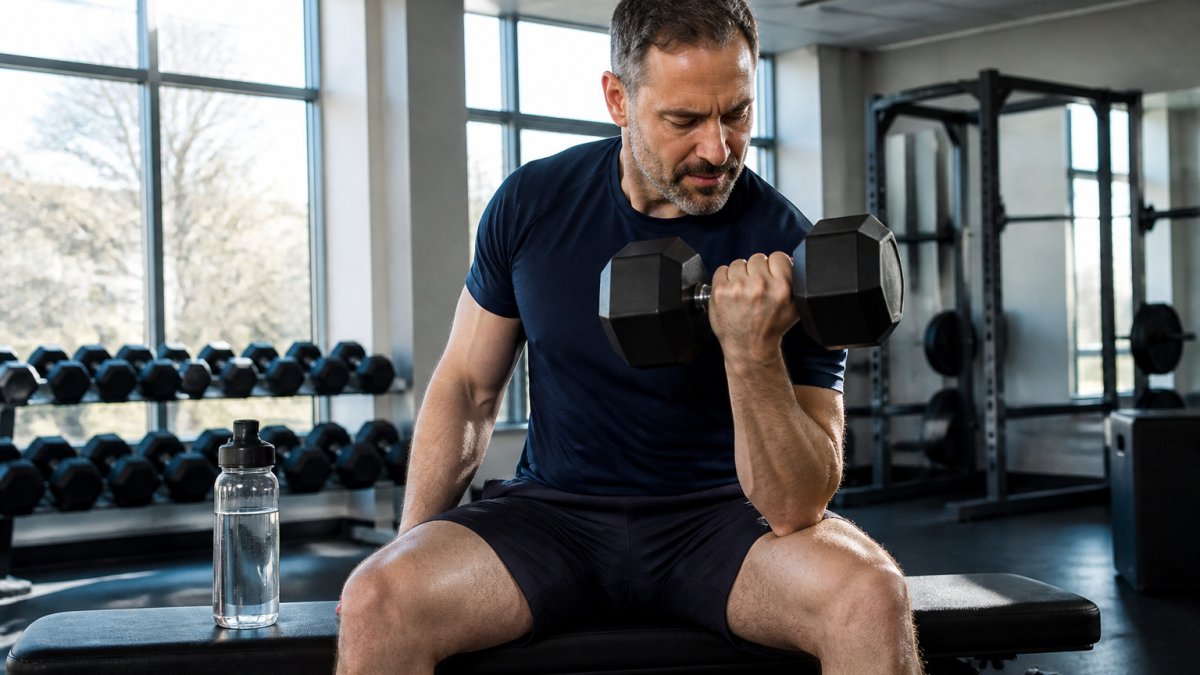
Strength work two to three times a week, plus walking, is a sensible base. If performance is dropping and sleep is poor, you are doing too much.
Stress management, mindfulness and slow breathing
Chronic stress keeps cortisol high, and cortisol and testosterone do not share nicely. Slow breathing, meditation and journaling all lower the stress response.
Try five minutes of slow breathing before bed. Our guide on how to reduce cortisol levels naturally covers the practical side in more depth.
Diet, alcohol and caffeine intake
A balanced diet with enough protein, healthy fats and vegetables supports hormone production. Severe calorie restriction does the opposite.
Cutting alcohol helps more than most men expect, and trimming late caffeine protects sleep quality. Small, boring changes, repeated.
Testosterone Supplements Safety: What the Evidence Supports
Testosterone supplements safety comes down to three questions: does the ingredient have published human findings, is the dose realistic, and is the product made to a verifiable standard? Most products on the shelf fail at least one. This section grades the evidence honestly and sets out who should avoid particular products, because "natural" does not mean risk-free.
A 2020 review on herbs and testosterone reported positive effects on testosterone concentrations for two herbal extracts: fenugreek seed and ashwagandha root. That is promising, not proven. The effect sizes are modest, the studies are often small or short, and many use different extracts and doses.
Herbs with published findings: fenugreek and ashwagandha
Fenugreek and ashwagandha are two herbs that appear in published research on testosterone. Both appear in our Nexalyn testosterone booster, which combines tribulus, fenugreek, ashwagandha and zinc.

Zinc contributes to the maintenance of normal testosterone levels in the blood.
A supplement is not a substitute for fixing sleep, alcohol and training load first.
Super Testo – Advanced Men’s Vitality Complex – Energy, Strength & Hormonal →
Evidence quality: what the studies actually show
Not all ingredients are equal, and it helps to sort them by the strength of human evidence rather than by marketing claims.
- Fenugreek and ashwagandha: small to moderate human studies, mostly short duration, with modest effects on total testosterone in some men. Certainty is low to moderate.
- Zinc: a regulated health claim for maintaining normal testosterone levels, but only relevant if you are deficient. Evidence for boosting levels in replete men is weak.
- Tribulus terrestris: popular in products, but human evidence for raising testosterone is inconsistent and generally poor quality. Treat claims with caution.
If a product promises a large testosterone increase from a blend of many herbs, be sceptical, as supplements are best treated as support alongside foundational habits.
Who should avoid certain products
Not everyone should take a hormone or herbal product. Skip them, or check with a GP or pharmacist first, if you:
- Are under 18
- Take prescribed medication or are under medical supervision
- Have a diagnosed hormone condition
Herbal products can interact with other supplements and medicines, which is why a pharmacist review is worth five minutes.
Product quality and what to check on the label
Safety is also about what is actually in the bottle. Look for:
- A full ingredient list with amounts per dose, not a proprietary blend that hides doses
- Zinc listed with its NRV percentage
- Batch traceability for raw materials
Our guide on how to avoid combining supplements that clash is worth reading before you add anything new. If unsure whether a product is right for you, ask your GP or pharmacist rather than guessing.
When to See a GP About Hormone Symptoms
See a GP when symptoms last more than a few weeks, affect your relationships or work, or appear suddenly. Book an appointment rather than self-treating.
Red flags that need prompt attention:
- A sudden loss of sex drive or erections
- Unexplained weight loss or severe fatigue
- Symptoms alongside headaches or vision changes
Bring your symptom timeline, sleep and alcohol habits, and any supplements you take. That history is what makes a GP's assessment useful.
Building Your Prioritised Daily Plan
A realistic plan beats a perfect one you abandon by Thursday. The order below is deliberate: foundations first, then support, then measurement. It also avoids the trap of chasing cortisol or testosterone tests before you have given the basics a fair run.
| Priority | Habit | Frequency | What to Track | Why This Order |
|---|---|---|---|---|
| 1 | Fixed sleep and wake time | Daily | Hours slept, morning energy | Sleep is the highest-use lever for testosterone and stress hormones |
| 2 | Strength training | 2-3x weekly | Weights, reps, recovery | Builds muscle and supports hormone signalling without overtraining |
| 3 | Alcohol reduction | Weekly | Units, sleep quality | Alcohol disrupts sleep and hormone production more than most men expect |
| 4 | Slow breathing or meditation | Daily, 5 mins | Stress score out of 10 | Lowers the stress response that competes with testosterone |
| 5 | Balanced diet with protein | Daily | Meals, energy dips | Provides the raw materials for hormone production |
| 6 | Verified supplement | Daily | Energy, libido, mood | Support only after the foundations are in place |
Why this order, and what to expect
Sleep comes first because most testosterone release happens during deep sleep.
Strength training supports muscle and hormone signalling, but only if you recover.
Alcohol reduction is third because it is often the hidden variable.
Stress management and diet are daily habits that support everything above.
Supplements come last because they are support, not a substitute.
Measurable progress indicators
Track three things only: sleep, energy and libido. Use a simple one-to-ten score each day, and review weekly rather than daily.
Do not track cortisol or testosterone at home unless a GP has asked you to. Home tests are often taken at the wrong time of day, and a single reading tells you very little.
Adapting the plan when life gets in the way
Plans fail when they are all-or-nothing. If you have a bad week, keep the wake time and drop the rest. If you are travelling, do a short walk instead of a gym session. Keep the habit chain intact, not perfect.
A realistic weekly review is enough: what went well, what slipped, and the one change for next week.
Choosing a Men's Vitality Supplement You Can Verify
Our checklist before you buy:
- Full ingredient list with amounts per dose
- Zinc listed with its NRV percentage
- Batch traceability for raw materials
At Supplements Sanctuary, every product is manufactured in the United Kingdom, batch traceable and compliant with UK and EU food supplement regulations.
Our Super Testo advanced men's vitality complex combines zinc, fenugreek, tribulus, ashwagandha, maca and L-arginine at £19.99, and TestoLink at £39.99 includes ginseng extract. If you want to check a brand properly, read our guides on verifying supplement ingredient quality standards and how to verify supplement batch traceability.


Best for: men who want a transparent, UK-made formula with named ingredients.
Most men chasing better hormone balance are really chasing better sleep, less alcohol and a training plan their body can recover from.
Frequently Asked Questions
How can men support healthy hormone levels naturally?
Start with the basics that carry the most evidence: protect sleep with a consistent schedule, keep exercise moderate rather than exhaustive, manage stress through breathing or mindfulness, and eat a balanced diet without excess alcohol. Testosterone therapy is generally understood to offer only modest advantages, mainly for men who have both symptoms of hypogonadism and confirmed low levels, so lifestyle work is the sensible first step. If symptoms persist after eight to twelve weeks, ask your GP about testing rather than guessing.
Can supplements safely support testosterone levels?
Some do have published findings behind them. Some published research has reported positive effects on testosterone concentrations for certain herbal extracts. Safety depends on the product: check for UK and EU regulatory compliance, clear labelling and batch traceability, and avoid anything promising dramatic results. Anyone taking medication, with a diagnosed condition, or under 18 should speak to a healthcare professional first. Food supplements support a balanced diet, they do not replace one.
How long can lifestyle changes take to affect hormone health?
Give changes sustained time before judging results, as effects vary between people. Track sleep duration, energy, training performance and libido week by week rather than daily, so you are looking at a trend instead of noise. If nothing has moved after sustained consistent effort, that is the point to request testosterone testing for men through your GP.
Can poor sleep or stress affect male hormones?
Yes. Testosterone follows a daily rhythm, peaking in the early morning, and disrupted or shortened sleep works against that pattern. Persistent stress keeps the stress response switched on, which is why sleep quality, a consistent sleep schedule and relaxation techniques appear in almost every credible set of lifestyle changes for testosterone. The key distinction is between short-term stress, which is normal, and persistently abnormal levels, which deserve medical assessment rather than another supplement.
