

How to Improve Heart Health Naturally with Supplements
Table of Contents
- Building a Heart Health Plan That Works for You
- The Best Supplements for Heart Health
- Omega-3 Supplements for Heart Health
- Heart Health Supplements Side Effects and Safety
- Natural Ways to Improve Heart Health Beyond Supplements
- How to Choose a Quality Heart Health Supplement in the UK
- Conclusion: Your Next Steps for Heart Health
- Frequently Asked Questions
Last Updated: 5 October 2026
Building a Heart Health Plan That Works for You
Knowing how to improve heart health naturally with supplements works best when you treat capsules as one part of a wider plan, not the whole answer. At Supplements Sanctuary, we help UK customers build routines they can actually stick to. The formula is simple: food first, movement second, supplements third.
That order matters. No capsule can undo a diet built on ultra-processed food. But the right supplement, at the right dose, can fill genuine gaps that diet alone leaves behind.
Below, we break down how to improve heart health naturally with supplements, including which ones have the strongest evidence, what doses to look for, and the safety checks that matter.
A common mistake is buying five products at once and hoping one works. Start with one or two, give them eight to twelve weeks, and judge from there.
The Best Supplements for Heart Health
The best supplements for heart health are omega-3 fatty acids, magnesium, potassium, and coenzyme Q10. Each supports a different part of the system: fats for blood vessels, minerals for rhythm and pressure, and CoQ10 for cellular energy.
Here is how the main options compare:
| Supplement | Main Role | Typical Daily Dose | Best For |
|---|---|---|---|
| Omega-3 (EPA/DHA) | Blood vessel and triglyceride support | 250-500mg combined EPA+DHA | Most adults |
| Magnesium | Muscle and rhythm support | 200-400mg | Low dietary intake |
| Potassium | Blood pressure support | 3,500mg from food | Diet-led approach |
| CoQ10 | Cellular energy | 100-200mg | Adults on statins |
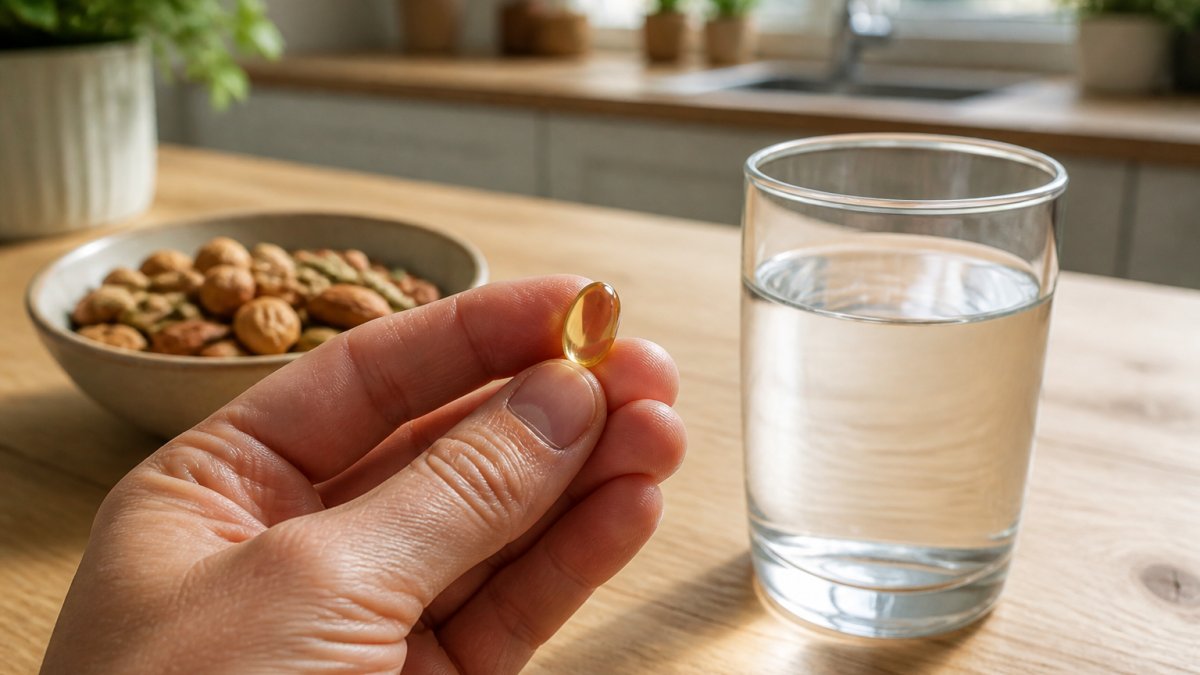
Coenzyme Q10 (CoQ10)
CoQ10 is a compound your body makes and uses for energy in every cell, including heart muscle cells. Levels fall with age, and some cholesterol medications reduce them further.
Many people taking statins find CoQ10 worth discussing with their GP. Typical doses sit between 100mg and 200mg daily, taken with food for better absorption.
Magnesium and Potassium
Magnesium supports normal muscle function, including the heart muscle, and helps maintain a steady rhythm. Potassium works alongside it to help regulate blood pressure.
Food should come first here:
- Leafy greens, nuts, and seeds for magnesium
- Bananas, potatoes, beans, and lentils for potassium
- Whole grains and dark chocolate in moderation for both
A supplement helps when your diet falls short. Magnesium citrate and glycinate absorb well; magnesium oxide is cheaper but poorly absorbed.
Omega-3 Supplements for Heart Health
Omega-3 supplements for heart health are among the most studied options available. They supply EPA and DHA, two fatty acids that support normal blood vessel function and help maintain healthy triglyceride levels.
The UK market is crowded, and label quality varies widely. Check three things before you buy:
- Total EPA plus DHA per capsule, not total fish oil
- Whether the oil is batch-tested for contaminants
- The harvest and expiry dates on the packaging
EPA vs DHA: What to Look For
EPA and DHA do different jobs. EPA is linked more closely to blood vessel and inflammatory pathways; DHA is more associated with cell membranes and brain tissue.
For general heart support, look for a combined total of 250mg to 500mg EPA and DHA daily. Higher doses are sometimes used under medical guidance, but that is a conversation for your GP, not a label decision.
If you eat oily fish twice a week, you likely need less. If you eat none, a daily capsule fills a real gap.
Heart Health Supplements Side Effects and Safety
Heart health supplements side effects are usually mild, but they are not zero. The most common complaints are stomach upset, loose stools from magnesium, and a fishy aftertaste from lower-quality omega-3 oils. While these minor digestive issues are manageable, incorporating whey protein for heart health requires similar attention to ingredient purity to ensure that your recovery efforts remain free from unwanted additives.
Watch for these points:
- Magnesium can cause digestive upset at higher doses. Split the dose across the day.
- Potassium supplements can interact with blood pressure medication and kidney conditions. Speak to your GP first.
- Omega-3 can thin the blood slightly. Tell your doctor if you take anticoagulants.
- CoQ10 can interact with warfarin, reducing its effect.
If you have a heart condition, are pregnant, or take regular medication, treat supplements as a conversation topic with your doctor rather than a solo decision.
Natural Ways to Improve Heart Health Beyond Supplements
Natural ways to improve heart health start with habits, not capsules. Supplements support a good routine; they cannot replace one.
The basics that carry the most weight:
- Move daily. Brisk walking for 30 minutes, five days a week, is enough to make a difference.
- Eat more plants. Aim for a variety of vegetables, fruit, beans, and whole grains.
- Cut back on salt. Most UK adults eat more than the recommended limit.
- Sleep properly. Poor sleep raises blood pressure over time.
- Manage stress. Chronic stress keeps pressure and heart rate elevated.
- Stop smoking. This is the single biggest change most people can make.
The NHS heart disease prevention guidance outlines these steps in more detail, and it is worth reading alongside any supplement plan.
How to Choose a Quality Heart Health Supplement in the UK
Quality comes down to traceability, testing, and honest labelling. In the UK, food supplements are regulated, and reputable manufacturers follow strict rules on what they can claim and how they label products.
Use this checklist before you buy:
- Does the label state the exact EPA and DHA content, not just "fish oil"?
- Is the manufacturer named and based in the UK or EU?
- Can the seller show batch traceability for raw materials?
- Are allergen and ingredient lists complete and clear?
- Does the product avoid claims it cannot legally make?
- Is there a batch or lot number on the pack?
This is where Supplements Sanctuary differs from a lot of what sits on UK shelves. We manufacture in the United Kingdom, trace every batch of raw material, and follow UK and EU food supplement rules. Our labelling is clear and accurate, and we have operated since 2014.
The Food Standards Agency guidance on food supplements sets out what UK manufacturers must do. It is a useful benchmark when you compare brands.
If a seller cannot tell you where the ingredients came from, that is your answer.
Conclusion: Your Next Steps for Heart Health
Getting your heart health right is a long game, and it rewards patience over quick fixes. Pick one supplement, take it consistently for eight to twelve weeks, and pair it with the daily habits that do the heavy lifting.
At Supplements Sanctuary, we make that choice simpler. Our capsules are manufactured in the UK, every batch of raw material is traceable, and our labelling tells you exactly what you are taking. We have been doing this since 2014, and our customers rate us 4.75 out of 5.
Get started with Supplements Sanctuary and build a heart health routine you can actually trust.
Frequently Asked Questions
Which supplements may support heart health?
Several supplements are commonly studied for cardiovascular support. Omega-3 fatty acids (EPA and DHA) are among the most researched, alongside CoQ10, magnesium, potassium, and certain B vitamins. Each works differently: omega-3s support normal blood triglyceride levels, magnesium contributes to normal muscle function including the heart, and CoQ10 acts as an antioxidant. No supplement replaces a varied diet or prescribed medication, so speak to your GP before starting anything new, especially if you take prescription medicines.
Can omega-3 supplements help protect the heart?
Omega-3 supplements for heart health are supported by a reasonable body of evidence. EPA and DHA contribute to the normal function of the heart, and a daily intake of 250mg of EPA plus DHA is recognised as beneficial. Oily fish remains the best source, but many people in the UK fall short of the recommended two portions per week. A quality fish oil or algal oil capsule can help bridge that gap. Look for third-party tested products with clear EPA and DHA amounts on the label.
Are heart health supplements safe to take with prescription medicines?
Not always. Some supplements interact with prescription medicines. Omega-3s and vitamin E can increase bleeding risk when taken with blood thinners such as warfarin. Magnesium can interfere with certain antibiotics and diuretics. CoQ10 may reduce the effectiveness of warfarin. Always tell your GP or pharmacist about every supplement you take, including doses. If you are on medication for blood pressure, cholesterol, or clotting, get medical clearance before adding anything new to your routine.
How do I choose a quality heart health supplement in the UK?
Check the label for the exact amount of active ingredient per capsule, not just the total blend weight. Look for products manufactured in the UK under strict quality-controlled conditions and compliant with UK and EU food supplement regulations. Batch traceability matters: a reputable brand can show where raw materials came from and provide test results. Supplements Sanctuary, for example, offers full batch traceability and clear labelling.