

Does Green Tea Help With Weight Loss?
Table of Contents
- What the Science Says About Green Tea Weight Loss
- Green Tea Extract Benefits Beyond the Cup
- How Many Cups of Green Tea a Day for Weight Loss?
- Best Time to Drink Green Tea for Maximum Effect
- Common Misconceptions About Green Tea and Fat Burning
- Green Tea Weight Loss Supplements: What to Look For
- Side Effects and Safety Considerations
- Conclusion
Last Updated: 26 August 2026
What the Science Says About Green Tea Weight Loss
Green tea weight loss is one of the most searched topics in the supplement world, and for good reason. The plant has been consumed for thousands of years, but it is only in the last few decades that researchers have begun to understand the specific compounds responsible for its metabolic effects. At Supplements Sanctuary, we get asked regularly whether green tea actually works for weight management, or whether it is simply clever marketing dressed up in a lab coat.
The honest answer is: the evidence is genuinely promising, but it is more nuanced than most headlines suggest.
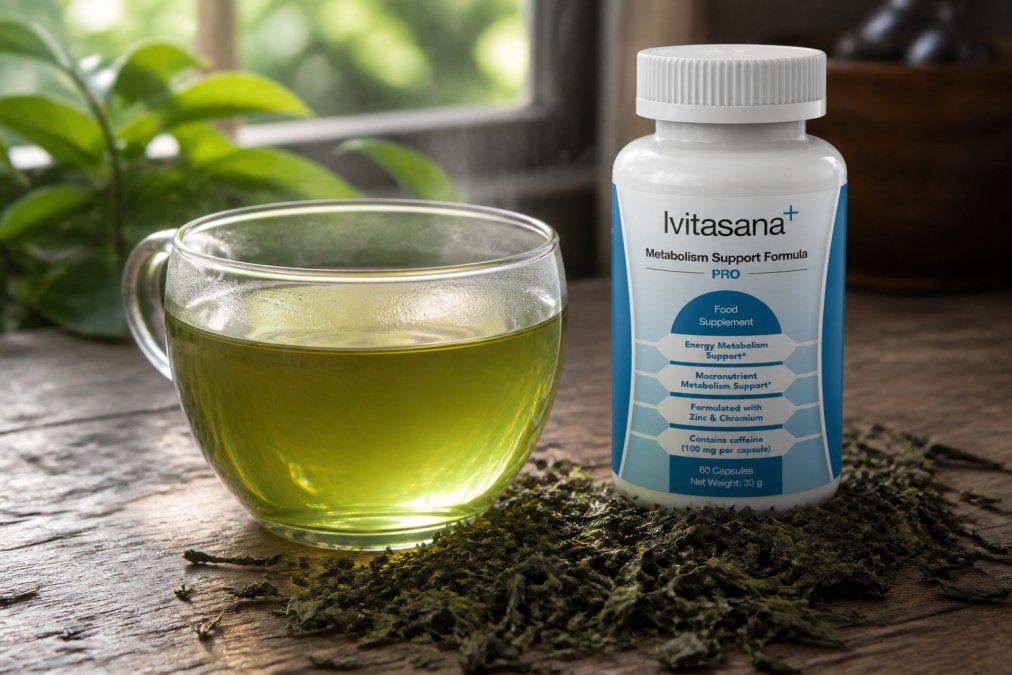
Green tea contains a class of plant compounds called catechins, the most studied of which is epigallocatechin gallate, commonly known as EGCG. These catechins, combined with the caffeine naturally present in green tea, appear to influence the body's ability to burn fat. The mechanism is real. The effect size, however, is modest.
How EGCG and Caffeine Work Together
EGCG is a polyphenol that inhibits an enzyme responsible for breaking down norepinephrine, a hormone involved in signalling fat cells to release stored fat. Caffeine amplifies this effect by increasing the activity of the nervous system. Together, they create a mild thermogenic response, meaning the body generates slightly more heat and, in doing so, burns marginally more calories.
This synergy is important. EGCG alone produces a smaller effect than EGCG combined with caffeine. The two compounds appear to work better as a pair, which is why green tea, rather than isolated catechin supplements, has traditionally been the focus of research.
What the Studies Actually Show
The research base on green tea and weight management is substantial but mixed. According to a systematic review published in the Cochrane Database of Systematic Reviews, green tea preparations do appear to produce small, statistically significant reductions in body weight compared to control groups, but the clinical significance of these reductions is modest. The average weight loss observed across trials tends to be measured in grams to a few hundred grams rather than kilograms.
That context matters. Green tea is not a replacement for a calorie-controlled diet or regular physical activity. What the evidence does support is that it can contribute meaningfully as part of a broader strategy, particularly when the goal is improving metabolic efficiency rather than rapid fat loss.
Green Tea Extract Benefits Beyond the Cup
Drinking green tea is one way to access its active compounds. Green tea extract benefits, however, extend beyond what a standard cup can deliver, and this distinction is worth understanding before you decide how to incorporate it.
A standard cup of green tea contains variable amounts of EGCG depending on the brewing time, water temperature, and the quality of the leaves. Green tea extract, by contrast, is standardised to a specific EGCG content, which means you know exactly what you are getting.
Beyond metabolic support, the broader green tea extract benefits include antioxidant activity, which helps neutralise free radicals produced during exercise and normal cellular function. Some research also points to cardiovascular benefits, with the British Heart Foundation's overview of antioxidants and heart health noting the role of polyphenols in supporting vascular function. There is also emerging interest in green tea's effect on blood glucose regulation, though this area of research is still developing.

Why Extract Offers a More Concentrated Dose
A single cup of green tea brewed for two to three minutes typically delivers somewhere between 50 mg and 100 mg of EGCG. A standardised green tea extract capsule, on the other hand, can deliver several times that in a controlled, consistent dose.
For people who dislike the taste of green tea, struggle with the tannins that can cause stomach sensitivity, or simply want a reliable daily intake without brewing several cups, extract is a practical alternative. The key phrase here is "standardised for EGCG." Products that do not specify EGCG content on the label are offering no meaningful quality guarantee.
How Many Cups of Green Tea a Day for Weight Loss?
The practical question most people actually want answered: how many cups of green tea a day should you drink to support weight loss?
Most of the research that shows metabolic benefits has used the equivalent of three to five cups per day. Below two cups, the catechin intake tends to be too low to produce a measurable thermogenic effect. Above five to six cups, you are likely consuming more caffeine than is comfortable for many people, and the incremental benefit diminishes.
Three to four cups daily, spread across the day, represents a sensible target for most healthy adults. Brewing at around 80°C rather than a full boil preserves more of the catechins, which are heat-sensitive compounds.
| Cups per Day | Approximate EGCG Intake | Likely Effect |
|---|---|---|
| 1-2 cups | Low (50-150 mg) | Minimal metabolic impact |
| 3-4 cups | Moderate (150-300 mg) | Modest thermogenic support |
| 5+ cups | Higher (300 mg+) | Greater catechin intake, higher caffeine load |
| Green tea extract capsule | Standardised dose | Consistent, controlled intake |
One thing most guides miss: the quality of the tea matters enormously. Cheap, low-grade green tea bags often contain older leaves with significantly lower catechin concentrations. If you are drinking green tea specifically for its metabolic properties, the grade of tea you choose is not a minor detail.
Best Time to Drink Green Tea for Maximum Effect
Timing your green tea intake is a smaller variable than total daily intake, but it is not irrelevant.
The best time to drink green tea for metabolic support appears to be before exercise. The thermogenic compounds may enhance fat oxidation during physical activity, and the caffeine component supports energy and focus. Drinking a cup roughly 30 to 45 minutes before a workout is a pattern that many practitioners recommend.
Drinking green tea in the morning, rather than late afternoon or evening, also helps avoid disrupting sleep. The caffeine content, while lower than coffee, is still sufficient to affect sleep quality if consumed within four to five hours of bedtime. Poor sleep is independently associated with impaired metabolic function, so protecting sleep quality is not a minor consideration.
The worst time to drink green tea is immediately before or after taking iron-rich foods or iron supplements. The tannins in green tea can inhibit iron absorption, which is a meaningful concern for anyone at risk of iron deficiency.
Common Misconceptions About Green Tea and Fat Burning
The most persistent misconception is that green tea burns fat directly. It does not work that way.
What green tea does is create modest conditions that make fat burning slightly more efficient. It is an adjunct to a calorie deficit, not a substitute for one. People who drink green tea while maintaining a poor diet and sedentary lifestyle will not see meaningful results, regardless of how much they drink.
A second misconception is that all green teas are equivalent. As noted above, the catechin content varies widely between products. Matcha, for instance, is a powdered whole-leaf green tea that delivers significantly higher EGCG concentrations per serving than a standard brewed cup. Hojicha, by contrast, is a roasted green tea with substantially lower catechin content.
The third misconception worth addressing is that green tea weight loss effects are permanent or cumulative in a compounding way. The thermogenic effect exists while you are consuming the compounds regularly. Stop drinking it, and the effect stops. There is no lasting metabolic change from a period of green tea consumption.
Green Tea Weight Loss Supplements: What to Look For
Not all green tea supplements are created equal. This is where the quality conversation becomes genuinely important.
The first thing to check is whether the product specifies EGCG content. A label that says "green tea extract 500 mg" without specifying the EGCG standardisation tells you nothing useful about the active compound content. Look for products standardised to a specific EGCG percentage, typically 45% to 98%.
Second, check whether the formula combines green tea extract with caffeine. As the mechanism section above explains, the two compounds work synergistically. A green tea extract product without any caffeine component will produce a smaller thermogenic effect.
Third, consider what else is in the formula. Chromium, for example, is a mineral that supports normal macronutrient metabolism and contributes to the maintenance of normal blood glucose levels, according to the European Food Safety Authority's nutrient reference values. A formula that pairs green tea extract with chromium and zinc addresses multiple aspects of metabolic support rather than a single mechanism.
Supplements Sanctuary's Green Tea-Based Formulas
Supplements Sanctuary manufactures three green tea-based metabolic support products, all made in the UK and compliant with UK and EU food supplement regulations.
Leaniq Metabolic Support (£26.99 for 60 vegan capsules) combines green tea extract standardised for EGCG with chromium picolinate, zinc, turmeric, and caffeine. It is designed as a once-daily capsule for adults looking to complement an active lifestyle with targeted nutritional support.
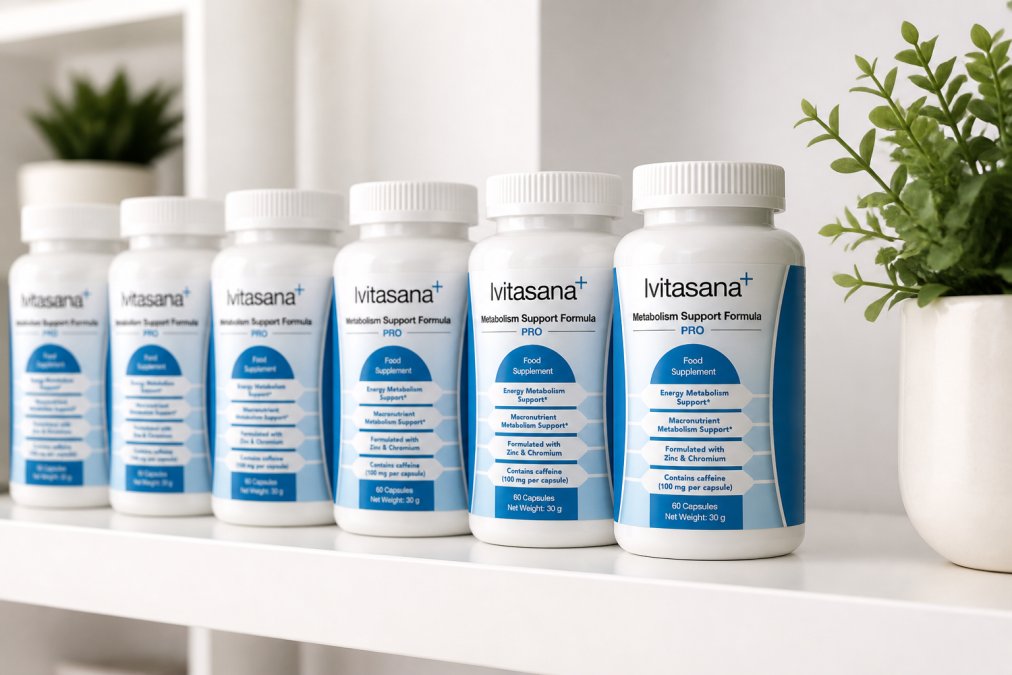
vitasana+ Metabolism Support PRO (£29.99 for 60 vegan capsules) features the same core combination of green tea extract, chromium, zinc, and caffeine, with the addition of turmeric. This formula is positioned for those seeking advanced metabolic support with a focus on energy-yielding metabolism.

Trivexol Advanced Metabolic Formula (£29.99 for 60 capsules) takes a broader botanical approach, combining green tea extract and chromium picolinate with apple cider vinegar, ginger root, cinnamon extract, cayenne fruit, and Korean ginseng. This is the more complex formula, suited to those who want a wider range of botanical support alongside the core green tea and chromium combination.
For those who prefer a gummy format, NOVISLIM Metabolic Balance Gummies (£24.99 for 60 gummies) deliver green tea extract alongside apple cider vinegar, ginger root, L-Arginine, L-Carnitine, and a botanical blend. All Supplements Sanctuary products carry batch traceability for raw materials, meaning every capsule can be traced back through the supply chain.
Side Effects and Safety Considerations
Green tea is well tolerated by most adults when consumed in reasonable amounts. That said, a few considerations are worth knowing before increasing your intake significantly.
Caffeine sensitivity is the most common issue. Green tea contains less caffeine than coffee, but the cumulative caffeine from multiple cups or a concentrated extract can still cause jitteriness, elevated heart rate, or disrupted sleep in sensitive individuals.
Liver health is a more serious consideration for very high-dose green tea extract supplements. The NHS guidance on supplements and liver health notes that high-dose green tea extract has been associated with rare cases of liver damage in susceptible individuals. This risk appears to be dose-dependent and is not associated with normal dietary consumption of green tea. It is a reason to avoid very high-dose isolated EGCG supplements and to choose products from manufacturers with transparent quality controls.
Iron absorption, as mentioned above, can be reduced by the tannins in green tea. Individuals with iron deficiency anaemia or those taking iron supplements should separate green tea consumption from iron intake by at least an hour.
Pregnant women should limit caffeine intake from all sources, including green tea. Anyone on medication should check with a healthcare professional before adding a concentrated green tea extract supplement, as catechins can interact with certain drugs.
The bottom line: green tea at normal dietary levels is safe for most healthy adults. High-dose extract supplements warrant more caution, and sourcing from a manufacturer with rigorous quality controls is not optional, it is the baseline.
Weight management is rarely about finding a single solution that does all the work. Green tea genuinely supports metabolic function through the EGCG and caffeine mechanism, but it works best as part of a consistent, broader approach to nutrition and activity. If you want a reliable, standardised source of green tea extract combined with complementary metabolic cofactors, Supplements Sanctuary's UK-manufactured formulas, including Leaniq, vitasana+ Metabolism Support PRO, and Trivexol, offer batch-traceable quality with clear labelling. Browse the full range and find the formula that fits your routine.
Frequently Asked Questions
How many cups of green tea should I drink a day for weight loss?
Most research pointing to a metabolic benefit uses doses equivalent to 3 to 5 cups of green tea per day, providing roughly 250 to 500 mg of EGCG. Drinking fewer than 2 cups is unlikely to deliver a meaningful effect, while exceeding 8 to 10 cups daily raises the risk of caffeine-related side effects such as disrupted sleep or increased heart rate. If you find it difficult to drink that volume, a standardised green tea extract supplement can provide a consistent dose without the liquid intake.
Does green tea burn belly fat specifically?
Some studies suggest green tea's active compounds, particularly EGCG, may preferentially influence abdominal fat when combined with regular exercise. However, the effect is modest and green tea does not target belly fat in isolation. No supplement or drink can direct fat loss to a specific area of the body. Green tea works best as part of a calorie-controlled diet and consistent physical activity, where it may support the overall metabolic process rather than act as a spot-reduction solution.
What is the best time to drink green tea for weight loss?
Drinking green tea 30 to 60 minutes before exercise appears to produce the most consistent results in research, as caffeine and EGCG may enhance fat oxidation during physical activity. A cup in the morning with or shortly after breakfast is also a practical option, as it avoids disrupting sleep. Drinking green tea on a completely empty stomach can cause nausea in some people, so pairing it with a small meal is advisable. Avoid consuming it within 2 hours of bedtime due to its caffeine content.
Are there any side effects of drinking too much green tea?
Consuming large quantities of green tea, typically more than 8 to 10 cups per day, can lead to side effects including headaches, irritability, insomnia, and an elevated heart rate due to caffeine accumulation. High doses of green tea extract in supplement form have been linked to liver strain in rare cases, so it is important to follow label guidelines and choose products that declare their EGCG content clearly. If you take medication or have an existing health condition, speak to your GP before adding green tea supplements to your routine.
This article was written using GrandRanker