

Are Premium Supplements Worth the Money? A 2026 Review
Table of Contents
- What Does 'Premium' Mean for Supplements in 2026?
- Transparent Labs vs Generic Protein Powder: The Real Difference
- How to Choose High-Quality Supplements: A Practical Checklist
- Are Premium Supplements Better for Health? The Evidence
- Breaking Down the Cost: What You Actually Pay For
- Our Verdict: Are Premium Supplements Worth the Money?
- Frequently Asked Questions
Last Updated: September 9, 2026
The question of whether premium supplements are worth the money is a common one. When you compare a £20 jar of multivitamins against a £5 supermarket equivalent, the real difference often lies in sourcing, manufacturing standards, and batch-level transparency rather than the colour of the label. This 2026 review examines what the term "premium" actually means today, where the genuine value sits, and how to judge whether a higher price tag translates into a better product for your specific health goals.
TL;DR:
- Premium supplements justify their cost through batch traceability, third-party testing, and quality-controlled UK manufacturing
- The price gap between budget and premium options reflects real operational differences, not just branding
- Look for verifiable proof of quality, not marketing language like "premium" or "advanced"
- Supplements Sanctuary achieves a 4.75/5 average customer rating across its range
- A practical checklist can help you evaluate any supplement brand before purchasing
What Does 'Premium' Mean for Supplements in 2026?
Premium supplements are products manufactured under strict quality-controlled conditions with full traceability of raw materials, rather than simply being more expensive versions of standard formulas. The term has been diluted by marketing departments over the past decade, but genuine premium positioning often rests on three pillars: manufacturing location, regulatory compliance, and batch-level documentation.
UK and EU food supplement regulations set clear standards for what can legally be sold, yet the enforcement gap between imported goods and domestically manufactured products remains significant. A brand that manufactures in the United Kingdom under UK and EU compliance frameworks carries operational costs that budget importers simply do not have, and those costs appear in the final price. The [UK Food Standards Agency guidance on food supplements(/blogs/news/benefits-of-uk-manufactured-food-supplements) | food.gov.uk] outlines the specific safety and labelling requirements that responsible manufacturers must meet.
What separates a genuinely premium product from an overpriced one comes down to whether you can verify the claims. Batch traceability for all raw materials means the manufacturer can show you where each ingredient came from, not just tell you it was sourced responsibly. That level of documentation requires systems, staff, and investment that generic producers rarely match.
Transparent Labs vs Generic Protein Powder: The Real Difference
The practical difference between a premium supplement brand and a generic alternative shows up in the supply chain, not just the label design. Generic protein powders and supplements often source ingredients through commodity brokers with limited visibility into farming practices, heavy metal contamination risks, or adulteration. Premium operators maintain direct relationships with suppliers and document every batch.
Consider the specific concerns around contamination. The European Food Safety Authority reports on supplement contaminants regularly highlight issues with heavy metals and undeclared ingredients in poorly regulated imports. When you pay more for a UK-manufactured product, part of that cost covers rigorous incoming material testing that filters out contaminated raw ingredients before they ever reach a capsule.
The differences can extend to formulation philosophy. Generic products frequently use the cheapest forms of each nutrient, while premium brands often select specific ingredient forms based on absorption and efficacy research. A chromium supplement, for instance, might use chromium picolinate rather than a cheaper inorganic form because the picolinate salt can demonstrate better bioavailability in clinical studies.
How to Choose High-Quality Supplements: A Practical Checklist
Choosing high-quality supplements requires verifying five specific criteria rather than relying on brand reputation or price alone. This checklist works for any supplement category, whether you are comparing protein powders, weight management formulas, or daily multivitamins.

- Manufacturing location: Confirm the product is manufactured in the UK or EU, not merely distributed from there. Look for the actual production facility address.
- Regulatory compliance: Verify the brand operates under UK and EU food supplement regulations, which govern safety, labelling, and permitted ingredients.
- Batch traceability: Ask whether the brand can trace every raw material back to its source. Genuine traceability means documented supplier records, not marketing claims.
- Third-party testing: Check whether independent laboratories verify potency and purity, and whether results are available to customers on request.
- Clear labelling: Review the label for precise ingredient quantities, not proprietary blends that hide individual doses.
Are Premium Supplements Better for Health? The Evidence
Premium supplements can deliver better health outcomes when the quality gap affects whether the active ingredients actually reach your system in the stated amounts. The evidence base for this often comes down to bioavailability, contaminant avoidance, and dose accuracy rather than any magical property of expensive ingredients.
The NHS guidance on vitamins and minerals recommends getting nutrients from food first, but acknowledges that supplements serve a purpose for specific populations. Where premium products genuinely differ is in dose accuracy. A budget supplement that contains less than its stated vitamin D dose because of poor manufacturing controls may produce different outcomes than a product delivering the full labelled amount.
For older adults concerned about specific health markers, the stakes are higher. Contaminant exposure from poorly sourced supplements can undermine the very health benefits you are seeking. The Committee on Toxicity reports on supplement safety provides detailed assessments of the risks associated with contaminated products, reinforcing why source verification matters for daily supplementation.
That said, no supplement replaces a balanced diet and active lifestyle. The most expensive product in the world will not compensate for poor nutrition, inadequate sleep, or sedentary habits. Supplements work best as precisely dosed, contaminant-free support for a foundation you are already building through lifestyle choices.
Breaking Down the Cost: What You Actually Pay For
Understanding what your money buys requires looking beyond the capsule itself to the systems that produced it. When you pay £22.99 for a 30-capsule weight management formula like Prima Weight Management Formula, you are funding documented supply chains, quality-controlled manufacturing, regulatory compliance, and batch-level testing, not just the ingredients inside the bottle.
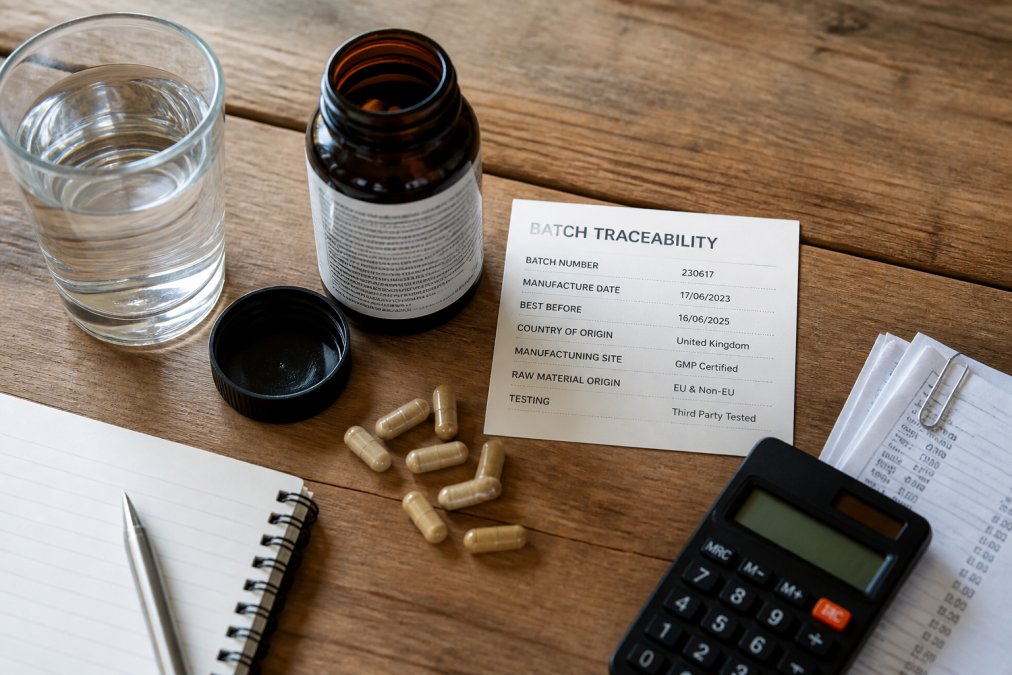
The cost structure breaks down into several components. Raw ingredient quality represents only a fraction of the retail price. Manufacturing overheads, including facility standards and staff training, consume a substantial portion. Regulatory compliance, documentation, and testing add another layer. Finally, the business must fund customer service and ongoing quality monitoring.
Consider the difference between a £19.99 gummy supplement and a £32.99 comprehensive capsule formula. The price reflects formulation complexity, ingredient quality, and manufacturing requirements. A gummy requires different production equipment than a capsule, and both differ from tablet compression. Comparing prices across formats without considering these factors gives you an incomplete picture.
| Supplement | Price | Format | Daily Serving | What You Pay For |
|---|---|---|---|---|
| Slimming Gummies | £19.99 | Chewable gummies | 2 gummies | Convenience, taste, metabolic support |
| Prima Weight Management | £22.99 | Vegan capsules | 1 capsule | Amino acids, botanical extracts, targeted formula |
| LumiLean Weight Support | £24.99 | Vegan capsules | 1-2 capsules | Magnesium, fenugreek, appetite regulation support |
| Fitify Metabolism Support | £27.99 | Vegetarian capsules | 1 capsule | Chromium, green tea, B-vitamin complex |
| Wego6 Premium | £32.99 | Capsules | 2 capsules | Six-ingredient blend, trace minerals, 30-day supply |
Our Verdict: Are Premium Supplements Worth the Money?
Premium supplements are worth the money when they deliver verifiable quality advantages that directly affect your health outcomes, but they are not worth paying for if the "premium" label rests purely on branding. At Supplements Sanctuary, we have built our reputation on the principle that premium pricing must correspond to measurable quality differences, which is why we manufacture in the UK, maintain batch traceability for all raw materials, and comply with both UK and EU food supplement regulations.


The products that justify their price share common characteristics. They often come from manufacturers with over a decade of established operation, like our own track record since 2014. They publish clear labelling with precise ingredient quantities. They welcome scrutiny rather than hiding behind vague marketing language. They maintain consistent quality standards across every batch, verified by documentation customers can actually request.
For most health-conscious adults, the decision comes down to what you value. If you want the cheapest possible product regardless of sourcing, premium brands may not satisfy you. If you want supplements manufactured to strict quality standards with full traceability and regulatory compliance, then the premium price can represent genuine value. Our 4.75/5 average customer rating suggests many people who choose our products understand this distinction.
Choosing the right supplements requires weighing quality against cost, and the challenge intensifies when every brand claims to offer something superior. At Supplements Sanctuary, we make that decision easier by manufacturing in the United Kingdom, maintaining batch traceability for all raw materials, and complying with UK and EU food supplement regulations that protect your health. Our range of premium, UK-manufactured capsules offers clear labelling, strict quality-controlled production, and direct pricing for returning customers who value consistency. Continue shopping and experience supplements where the premium price reflects genuine quality you can verify.
Frequently Asked Questions
Is Transparent Labs a reputable brand?
Transparent Labs has built a reputation for clear labelling and third-party testing, which appeals to athletes who want to know exactly what they are consuming. However, reputation only matters if the manufacturer can prove its claims. A brand like Supplements Sanctuary demonstrates credibility through UK manufacturing, batch traceability for raw materials, and compliance with UK and EU food supplement regulations. Always check for published test results and traceability data rather than relying on marketing claims.
Why is Transparent Labs so expensive compared to other brands?
The higher price typically reflects third-party testing, quality ingredient sourcing, and the absence of artificial additives. You are paying for the assurance that the label matches the contents. In the UK, brands like Supplements Sanctuary follow a similar model, with prices from £19.99 to £32.99, justified by strict quality-controlled manufacturing and full batch traceability. The question is whether that verification is worth the extra cost to you, not just whether the price is higher.
Are premium supplements better for health?
Premium supplements are not automatically better for health, but they offer advantages in quality control and ingredient transparency. The benefit comes from knowing your product meets safety thresholds for contaminants like lead and contains the exact ingredients listed. A 4.75 out of 5 customer rating suggests real-world satisfaction, but supplements still work alongside a balanced diet. The value lies in the reduced risk of mislabelling and the consistency of the product batch after batch.
How do I verify batch traceability is real and not just marketing?
Ask the manufacturer directly for the batch number on your bottle and request the documentation for that specific batch. A genuine traceability system tracks raw materials from the supplier to the finished product. Supplements Sanctuary, for example, offers batch traceability for all raw materials and manufactures in the UK under strict quality control. If a company cannot show you where your specific capsules came from or prove ingredient purity, that is a warning sign.